If you want more customers from your area, local SEO (Search Engine Optimization) is a must. It helps your business show up in search results when people nearby are looking for your products or services. Here’s how you can improve your local SEO and get more traffic, calls, and sales.
1. Set Up and Optimize Your Google Business Profile
Your Google Business Profile (GBP) is one of the most important tools for local SEO. When someone searches for a business like yours, this profile appears in Google’s search results and on Google Maps.
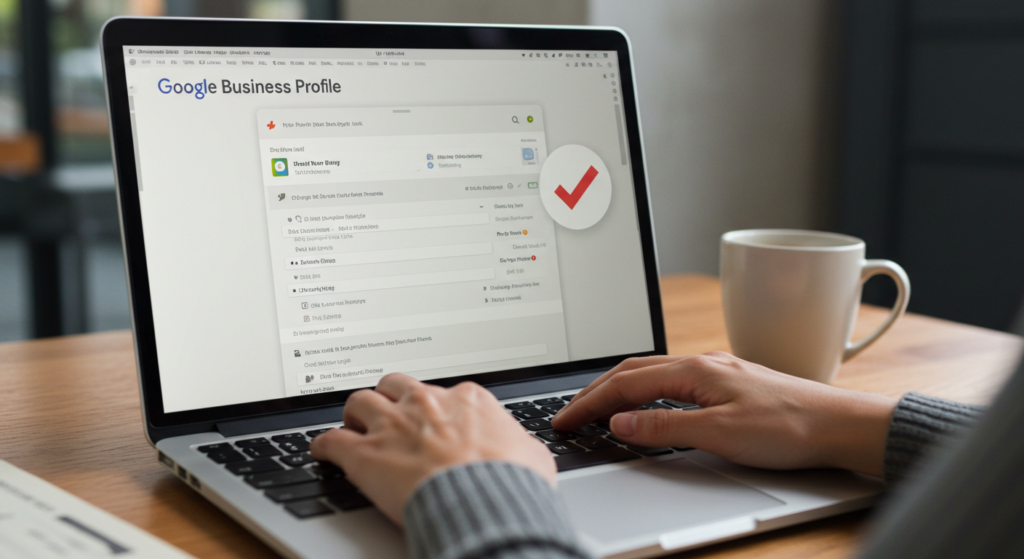
Steps to optimize your GBP:
- Claim your business – If you haven’t claimed your Google Business Profile, do it now.
- Fill in all details – Add your business name, address, phone number, website, and hours of operation.
- Choose the right categories – Pick categories that best describe your business.
- Upload high-quality photos – Show pictures of your storefront, products, or services.
- Post updates – Share special offers, events, or news to keep your profile active.
2. Keep Your Business Info the Same Everywhere
Your business name, address, and phone number (NAP) should be exactly the same across all online listings, including your website, social media, and directories. If the details don’t match, search engines might not trust your business, which can hurt your rankings.
How to do this:
- Check your business details on Google, Yelp, Facebook, and local directories.
- Use a tool like Semrush’s Listing Management to find and fix any inconsistencies.
- If you change your phone number or address, update it everywhere immediately.
3. Get More Customer Reviews
Reviews help your business rank higher and make people more likely to choose you. Google trusts businesses with lots of good reviews, so encourage your happy customers to leave feedback.

How to get more reviews:
- Ask customers in person after a sale or service.
- Send follow-up emails with a direct link to your review page.
- Make it easy by adding a review link to your website and social media.
- Respond to all reviews – Thank customers for good reviews and professionally address negative ones.
4. Use Local Keywords on Your Website
To attract local customers, use keywords that include your city, neighborhood, or service area. This helps search engines connect your business to local searches.
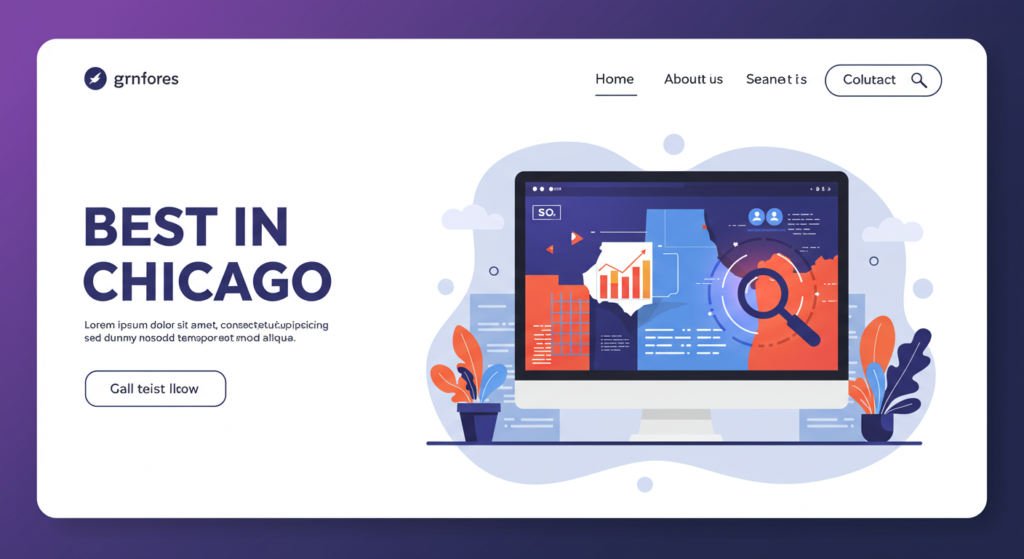
Where to use local keywords:
- Page titles – Example: “Best Coffee Shop in Chicago.”
- Headings and content – Mention local areas naturally in your text.
- Image alt text – Describe your images using local terms.
- Meta descriptions – Short descriptions that appear in search results.
5. Create Location-Specific Pages
If your business serves multiple areas, create a separate page for each location. Each page should include:
- A unique title (e.g., “Plumber in Dallas” vs. “Plumber in Fort Worth”).
- A local phone number and address.
- Customer testimonials from that area.
- Directions or a map to your location.
6. Get Listed in Local Directories
Besides Google, people search for businesses on directories like Yelp, Angi, and the Better Business Bureau.
How to get listed:
- Find popular directories in your industry (e.g., TripAdvisor for hotels, Healthgrades for doctors).
- Add or claim your business profile.
- Keep your info consistent with your website.
7. Use Social Media for Local Engagement
Search engines pay attention to how active and engaged businesses are on social media. The more people interact with your posts, the better your chances of showing up in searches.
Ways to boost engagement:
- Share local news, events, and promotions.
- Join local Facebook groups and answer questions.
- Use hashtags with your city or neighborhood name.
- Post customer testimonials and behind-the-scenes content.
8. Optimize for Mobile Users
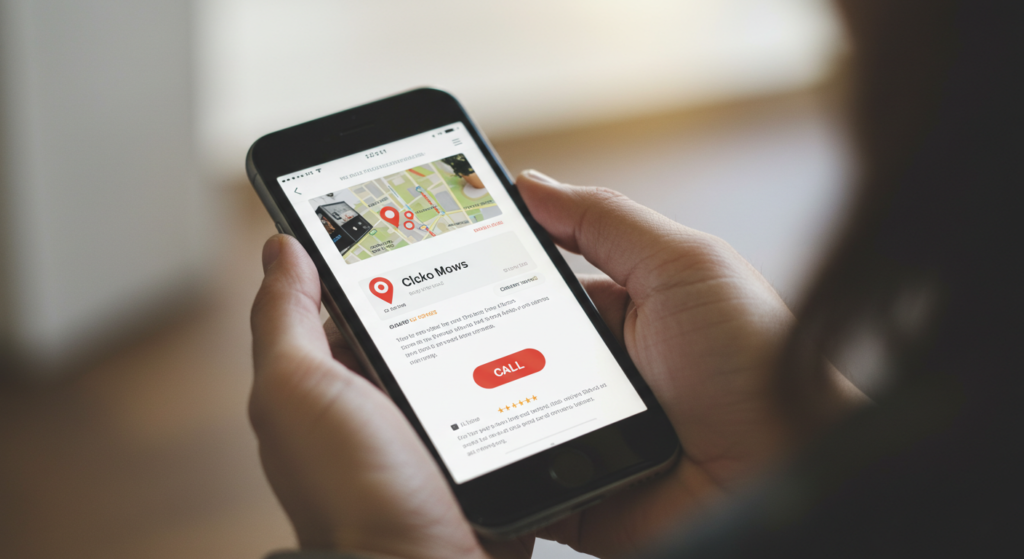
Most local searches happen on phones. If your website isn’t mobile-friendly, people will leave quickly, and Google will lower your rankings.
Quick mobile-friendly fixes:
- Use a simple, easy-to-navigate design.
- Make sure pages load fast (use Google’s PageSpeed Insights tool to check).
- Keep text large enough to read without zooming.
- Add a click-to-call button for easy phone contact.
9. Build Local Backlinks
Backlinks (links from other websites to yours) help boost your rankings. Getting links from other local businesses and websites makes a big impact.

How to get local backlinks:
- Partner with local bloggers and news sites for coverage.
- Join local business associations that list members on their websites.
- Sponsor local events, charities, or sports teams.
- Get listed on your city’s Chamber of Commerce website.
10. Keep Track of Your Local SEO Progress
SEO takes time, but tracking your progress helps you see what’s working.
Tools to use:
- Google Business Profile Insights – See how people find and interact with your listing.
- Google Search Console – Track search rankings and fix website issues.
- Google Analytics – Measure website traffic and conversions.
- Semrush or Moz Local – Check how your local rankings improve over time.
Final Thoughts
Improving local SEO helps your business attract more nearby customers and rank higher on Google. Start by optimizing your Google Business Profile, getting reviews, using local keywords, and ensuring your business info is consistent everywhere. Stick with it, and over time, you’ll see more calls, visits, and sales!