In retail, budgets are tight, competition is fierce, and time is limited. Sound familiar?
If you’re a business owner in the retail space—maybe you’re running a mattress showroom, a boutique flooring shop, or a local furniture store—you already know that every dollar counts. You also know that marketing matters. It drives traffic, builds awareness, and keeps your pipeline full. The challenge? Doing all of that on a limited budget.
But here’s the good news: marketing smarter doesn’t require more money. It just requires better decisions. Small budgets aren’t a weakness—they’re a filter. They force you to focus on tactics that truly work and cut the distractions.
In this guide, we’ll show you how to get more return on every dollar you spend, with practical strategies that put your brand on the map—without draining your wallet.
Clarify Your Marketing Goals
The first mistake small businesses make is trying to “do more marketing” without clearly defining what that even means.
Get Specific About Outcomes
Marketing for the sake of marketing doesn’t work. You need a specific result.
Ask yourself:
- Do I need more foot traffic?
- Do I want to grow online orders?
- Am I focusing on brand visibility?
- Do I need more returning customers?
Clarity helps you decide where to spend—and where not to.
Pick One Priority Per Campaign
Each campaign should have a single goal. If you’re promoting a spring sale, the focus should be on conversions. If you’re launching a new product, aim for awareness and engagement.
Having multiple goals muddies the message and stretches your budget too thin.
Make Your Google Business Profile Shine
Your Google Business Profile (GBP) is one of your most powerful and affordable marketing assets. It’s free, shows up in local search, and influences customer decisions.
Keep Information Updated
Make sure your hours, services, location, and contact info are always current. If you have seasonal changes, update them. Inaccuracies frustrate shoppers and cost you traffic.
Post Weekly
Use the Posts feature to announce promotions, spotlight products, or share events. These posts show up in search and maps, and keep your listing looking fresh.
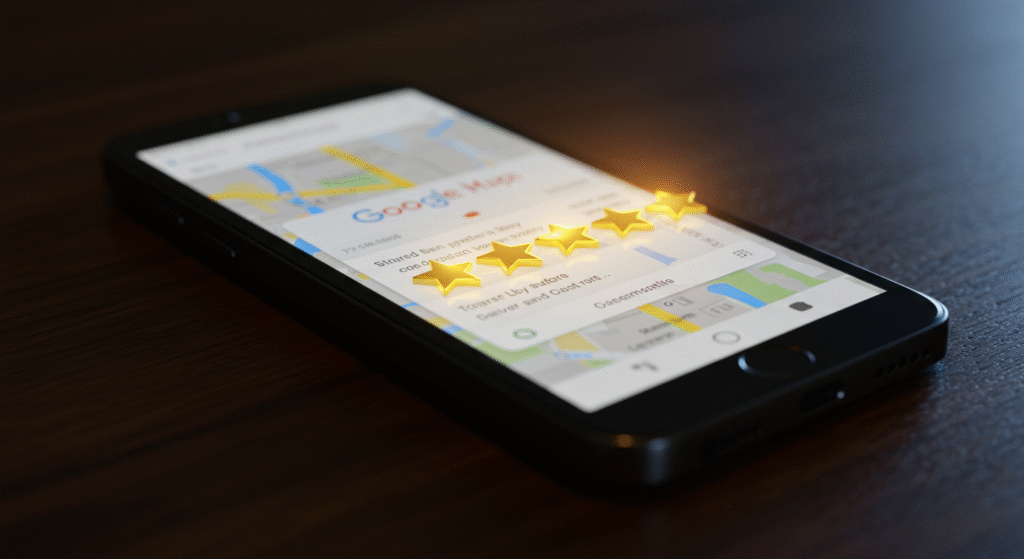
Collect Reviews Proactively
Encourage every happy customer to leave a review. Train staff to ask in person. Add a QR code to receipts or a review link to your thank-you emails.
Respond to Every Review
Yes, even the negative ones. Responding shows you’re attentive and trustworthy. It also gives future shoppers more confidence.
Build an Email List—and Use It Well
Email is a budget-friendly powerhouse. Unlike social media, where reach is dictated by algorithms, email lets you connect with your audience directly.
Grow Your List Authentically
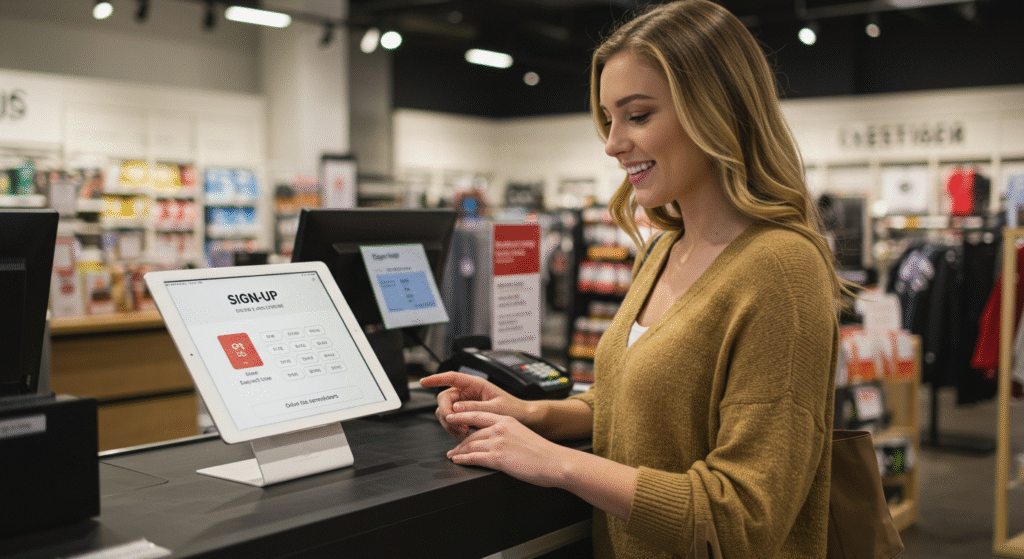
Place sign-up forms on your website, offer a discount for joining in-store, and include opt-in checkboxes on online orders. Don’t buy lists—they rarely convert and can damage your sender reputation.
Segment Your Audience
Not every customer needs the same message. Segment by:
- Purchase history
- Product interests
- Location (especially if you have multiple stores)
- Engagement level (e.g., frequent openers)
Segmented emails have significantly higher open and click-through rates.
Provide Value, Not Just Promos
Sure, customers like discounts—but that’s not all they care about. Share useful content:
- How-to guides (e.g., cleaning tips for new flooring)
- Product spotlights
- Staff picks or customer favorites
- Community updates or behind-the-scenes stories
One helpful email a month is better than four generic ones.
Invest in Your Website (Yes, Even a Basic One)
Your website doesn’t need to be fancy. It just needs to work.
Make It Clear and Compelling
Ensure your site answers the following in under 10 seconds:
- Who you are
- What you sell
- Where you are
- Why someone should buy from you
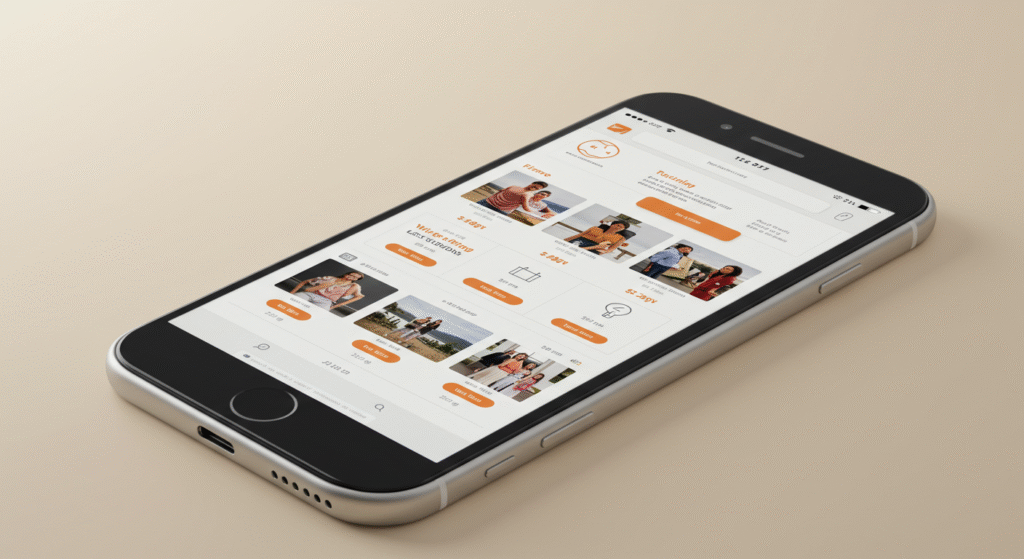
Use strong imagery. Avoid walls of text. Have a headline that makes people stop scrolling.
Prioritize Mobile
Most local searches happen on phones. If your site isn’t mobile-friendly, you’re losing sales. Buttons should be tappable, text readable, and images fast-loading.
Add Simple Conversion Paths
Include calls to action like:
- “Visit Our Showroom”
- “Book a Free Estimate”
- “Call for Special Pricing”
- “Join Our VIP List”
Use forms that are short and easy to complete.
Use Paid Ads with Precision
You don’t need to outspend your competitors—you just need to outsmart them.
Set a Budget and Stick to It
Start small. Even $5–10 per day can move the needle if your targeting is right. Track performance weekly, and pause underperforming ads quickly.
Focus on Local Targeting
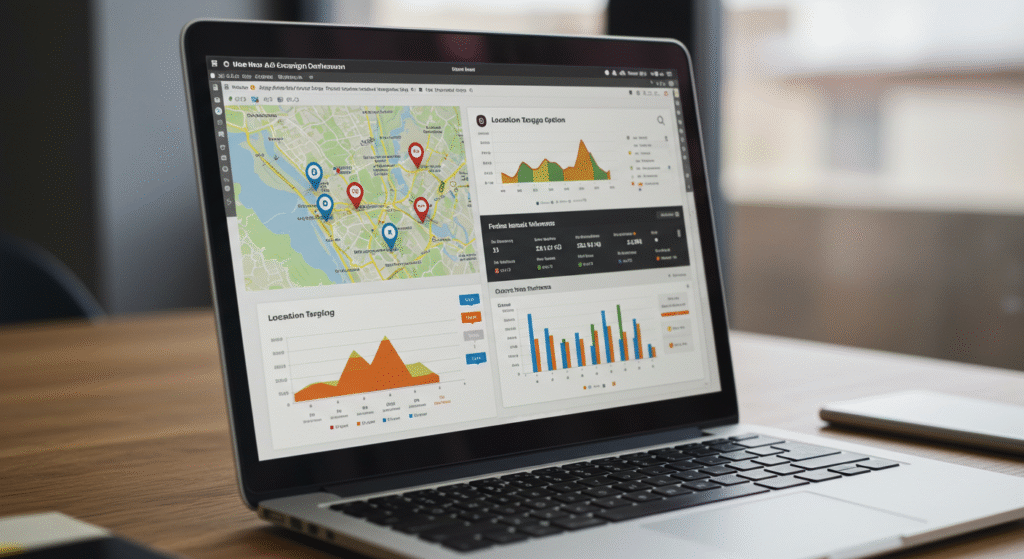
Use geo-targeting to reach only those near your store. Set a tight radius (5–10 miles) and exclude locations that don’t convert well.
Retarget Website Visitors
Most shoppers won’t buy on their first visit. Retargeting ads on Facebook or Google keep your brand visible as they continue browsing.
Use messaging like:
- “Still deciding? Come back for 10% off.”
- “Complete your room with these top picks.”
Retargeting increases conversions without expanding your audience.
Turn Employees and Customers into Advocates
Your best marketers may already be on your payroll—or shopping your store.
Empower Employees
Encourage staff to:
- Share new arrivals on their personal social media
- Leave authentic Google reviews (if they’re also customers)
- Offer personalized product recommendations
You can even create incentives for employees who generate referrals or reviews.
Activate Happy Customers
Make it easy for customers to spread the word:
- Send a review link post-purchase
- Offer a referral reward (e.g., $20 store credit for each friend)
- Create shareable moments (e.g., photo ops in-store, social contests)
Happy customers trust you. Give them the tools to talk about you.
Repurpose and Multiply Your Content
Creating fresh content can feel overwhelming—but you don’t always need to reinvent the wheel.
One Idea, Multiple Uses
Let’s say you write a blog post about the best flooring types for pet owners. Here’s how you can repurpose it:
- Break it into 3 Instagram posts
- Turn it into a YouTube short or TikTok
- Share key tips via email
- Turn it into a Pinterest graphic
- Highlight a product in-store with the same theme
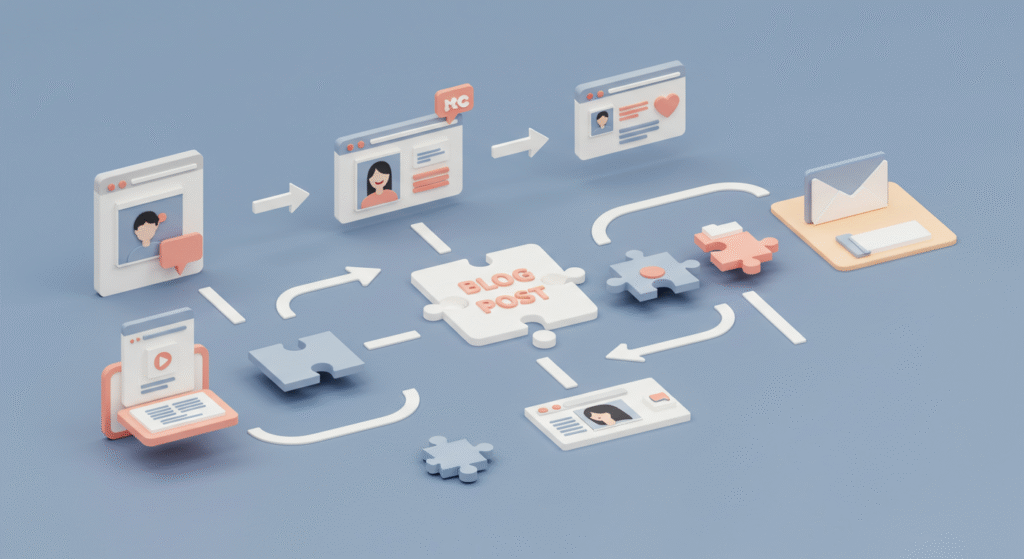
Suddenly, one idea gives you a full month of marketing materials.
Use What Customers Say
Pull quotes from reviews. Share before-and-after photos. Screenshot great testimonials. Authentic content often outperforms polished marketing.
Track What Matters
You can’t improve what you don’t measure.
Set KPIs (Key Performance Indicators)
Match them to your goals. For example:
- Goal: More showroom visits → KPI: Calls, direction clicks
- Goal: Increased sales → KPI: Revenue by campaign or channel
- Goal: Better retention → KPI: Repeat purchase rate
Don’t chase vanity metrics like likes or impressions unless they tie to a real outcome.
Use Free (or Affordable) Tools
- Google Analytics: Tracks website traffic and behavior
- Google Search Console: Monitors organic performance
- Meta Business Manager: Tracks Facebook and Instagram ad results
- POS Data: See which products or promotions drive sales
Even simple Excel sheets work if you update them regularly.
Know When to Say “No”
Every platform wants your attention. Every new tactic seems promising. But doing everything is a fast track to burnout—and budget bloat.
Choose 2–3 Core Channels
Depending on your niche, this might be:
- Website
- Facebook/Instagram
- Google Business Profile
- YouTube or Pinterest (for visual brands)
Go deep, not wide. Master what matters, then expand if needed.
Be Wary of Trends
Chasing trends (like jumping on a new app or mimicking viral content) often leads to wasted time. Stick to tactics that match your brand and audience.
If your customers are homeowners aged 40+, you probably don’t need to be on TikTok. If they’re design-savvy millennials, that might be exactly where you should be.
Think Like a Local, Not a National Chain
What big box stores can’t offer: personal connection, community involvement, and tailored service.
Support Local Events
Sponsor a little league team, donate to school fundraisers, or host a booth at a community fair. It builds goodwill and often leads to organic press or word-of-mouth.
Highlight Local Stories
Feature local customers, staff members, or even other businesses. Show that you’re part of the neighborhood—not just another store.
This type of branding sticks. People remember businesses that show up in real life.
Revisit Your Pricing and Promotions Strategy
Marketing isn’t just about attracting attention—it’s about converting that attention into profitable action. That often starts with how you present your pricing.
Don’t Just Discount—Frame Value
While deep discounts can drive traffic, they often train customers to wait for a sale. Instead:
- Use price anchoring (e.g., “Was $1,199, Now $949”) to make current prices feel like a deal.
- Offer tiered pricing with good-better-best options. Even if most people choose the middle tier, the highest price makes it feel like a smart decision.
- Include bonuses instead of markdowns: “Free delivery this week only” or “Buy the sofa, get the lamp half-off.”
These tactics preserve margin while creating urgency.
Rotate Smart Offers
Create a calendar of simple, strategic promotions:
- One for foot traffic (e.g., “Weekend walk-in specials”)
- One for email/SMS subscribers (VIP-only flash deals)
- One tied to a product push (clearance, overstock, or a new collection)
Keeping these focused helps you promote without overwhelming your audience—or your staff.
Make Your Store a Content Studio
If you have a physical retail space, you already have an underused asset: a setting where you can create unlimited content without extra cost.
Use the Space for Video
Set up a phone tripod and film quick clips:
- Product demos
- “Staff picks of the week”
- Styling tips or customer walkthroughs
A well-lit store corner can become a reliable content hub. Over time, these videos build authority, humanize your brand, and answer real buyer questions.
Behind-the-Scenes Sells
Show the process of receiving, staging, assembling, or delivering products. Film team meetings. Capture community moments.
People love seeing what happens behind closed doors. It builds transparency and familiarity—which both lead to trust.
Learn From (and Market to) Past Buyers
Your existing customer base is a goldmine—if you know how to dig.
Send a One-Time Feedback Survey
Ask simple questions like:
- “What made you choose us?”
- “What almost stopped you from buying?”
- “What would you love to see next?”
Use Google Forms or Typeform. Offer a small incentive like a gift card raffle. You’ll get data that helps fine-tune your messaging and reveal marketing blind spots.
Create Buyer Personas Based on Real Data
Go beyond guesses. Look at:
- Age ranges
- Zip codes
- Order sizes
- Product categories
If you find that 60% of your top spenders are homeowners aged 45+ with kids, you can tailor ads, imagery, and offers to match that persona.
Market Based on Their Life Stage
Did someone just buy a bed? In 6 months, they might need a nightstand, mattress protector, or new pillows. Follow-up campaigns timed to likely purchase cycles have a much higher ROI than mass promos.
Lean Into the Power of Micro-Events
You don’t need a huge marketing budget to create buzz—just a reason to gather and a way to follow up.
Host Free, Useful, or Fun Events
Try:
- A seasonal design workshop (e.g., “Spring Refresh: Tips From a Local Designer”)
- A new product launch party with local treats and giveaways
- A “Friends & Family Night” with early access to sales
These build community, generate social content, and create buying momentum.

Capture and Reuse the Momentum
- Collect emails at the door
- Take event photos or videos
- Ask attendees for testimonials or quotes
- Follow up with a post-event offer or thank-you message
The return on a well-executed in-store event can ripple for weeks.
Build Simple, Effective Loyalty Loops
Loyal customers spend more and refer more. But most loyalty programs are either too complex—or too forgettable.
Offer Tangible, Repeatable Rewards
Examples:
- “Spend $500, get $50 off your next order”
- “Buy 3 times, get a bonus item”
- “Refer a friend, and you both save 10%”
These are easy to track and make people feel appreciated.
Automate With What You Have
Use your POS system, email platform, or CRM to track customer purchases and send personalized rewards. Even a quarterly postcard or SMS reminder like “You’ve earned $25 in store credit!” works wonders.
Don’t overcomplicate. Just reward good behavior consistently.
Partner With Neighboring Businesses
You’re not in this alone—and you don’t have to market alone either.
Look for Shared Audiences
What other businesses serve the same customers without being direct competitors? A mattress store might partner with:
- Real estate agents
- Local moving companies
- Chiropractors or wellness clinics
Create Shared Promotions
Examples:
- “Buy a mattress, get a discount on home cleaning”
- “Furniture buyers receive a coupon for nearby paint or decor shops”
You’ll reach a new pool of potential buyers without spending more—just by sharing lists, posters, or posts.
Use UGC (User-Generated Content) to Your Advantage
People trust other people more than brands. You can market smarter by turning everyday buyers into brand ambassadors.

Make Sharing Easy
Use prompts like:
- “Tag us for a chance to be featured!”
- “Post your new space with #MyHomeWith[YourBrand]”
- “Leave a review with a photo for 10% off your next purchase”
Display this messaging on receipts, at checkout, and in emails.
Repost Strategically
When customers post:
- Ask for permission
- Tag them in your repost
- Mention what they bought or why they loved it
This not only builds social proof but encourages others to share too.
Explore Smart Guerilla Marketing
Sometimes, the scrappiest ideas leave the biggest impression.
Try Sidewalk or Street Sign Campaigns
Use chalkboards or sandwich boards to promote:
- A funny message (“Mattresses so good, you’ll sleep through this ad”)
- A one-day deal
- A countdown (“3 sofas left at 40% off!”)
If you’re in a walkable area, a clever sign can outperform a digital ad.
Use Stickers, Flyers, or Postcards Creatively
Drop postcards at complementary businesses, community centers, or local coffee shops. Include QR codes, punchy offers, or witty taglines that spark curiosity.
Just make sure your message is targeted and local—don’t waste effort on people unlikely to convert.Position Yourself as the Expert
People want to buy from someone they trust. When you position yourself as the expert in your space, you become the go-to—not just a vendor.
Share Real Advice
Start a simple blog, email series, or social video series:
- “3 Mistakes to Avoid When Buying a Sofa”
- “How to Match Flooring With Your Lighting”
- “Behind the Scenes: How We Choose Our Vendors”
Helpful content drives SEO, builds credibility, and increases conversion—because educated customers buy faster.
Speak at Local Events
Offer to give a free talk at:
- Home & garden shows
- Community meetings
- Realtor associations or homebuyer workshops
It positions you as an authority—and puts your brand in front of an engaged audience.
Create a “Small Budget” Culture
The biggest wins come when everyone on your team is aligned—not just in your marketing plan, but in your mindset.
Make ROI a Team Conversation
Share what’s working (and what’s not) with your staff:
- Which promotions performed well?
- What customer questions are trending?
- Where did most sales come from this month?

When everyone understands the goals, they’ll naturally contribute ideas that align with them.
Encourage Bottom-Up Innovation
Often, your floor team or delivery crew hears customer feedback before you do. Create channels (even a simple weekly chat) to gather those insights and turn them into better campaigns.
Some of your most creative, low-cost marketing ideas may come from your front-line team.
Final Thoughts: Keep Building, Keep Learning
This second part of your “Marketing Smarter” journey should feel less like a to-do list and more like a toolbox.
You’re not starting from zero—you’re building from what’s already working. With each strategy you test, each piece of feedback you gather, and each local win you earn, your budget becomes more efficient and your business more resilient.
To recap the new tactics:
- Refine your pricing psychology and promotional calendar
- Turn your store into a content lab
- Dig into buyer data to market smarter
- Host cost-effective events with high engagement
- Build loyalty programs that actually reward loyalty
- Partner locally to expand your reach for free
- Leverage customer content for better social proof
- Use guerrilla marketing to stand out without spending big
- Share expert content to build long-term credibility
- Foster a budget-smart, results-driven team culture
Big wins don’t come from big budgets. They come from small, smart moves—stacked together, day after day.