Are you looking to increase foot traffic in your retail store? Geoframing—a marketing approach centered on historic location data—could be the solution. Geoframing relies on past consumer movements to shape more relevant ads and offers later on. In this post, you’ll learn the fundamentals of geoframing, discover strategies to drive store visits, and see how this method differs from audience targeting.
Understand the Basics of Geoframing
What Is Geoframing?
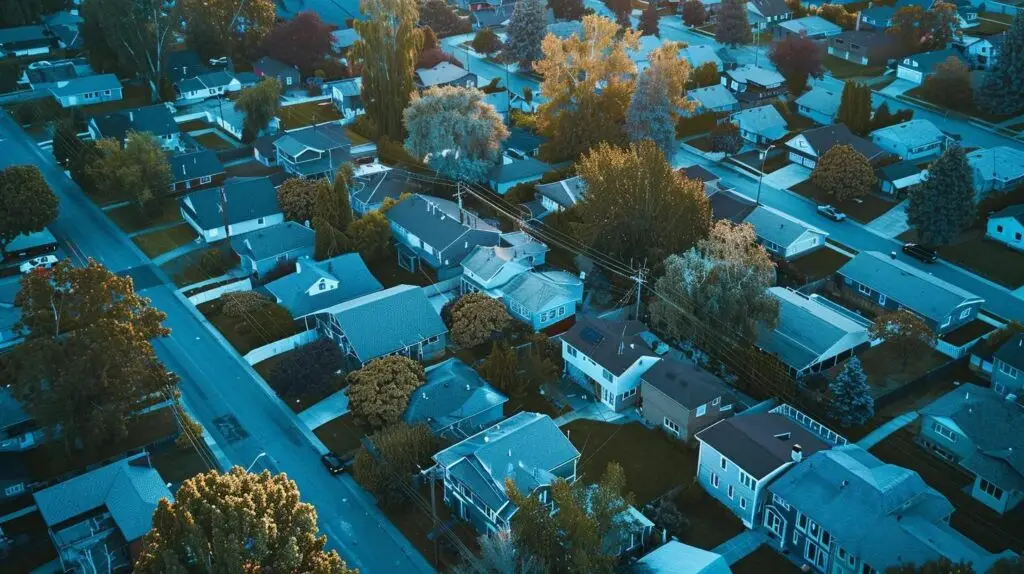
Geoframing is a location-based marketing strategy that uses past location data (collected through mobile app SDK Data or other consent-based methods). It allows you to build custom audiences who have visited key locations—then engage them later through socail ads, display ads, and CTV channels.
- Retail Example: A mattress store identifies shoppers who visited local chiropractic clinics in the last 90 days (historical data). They later run display ads or direct mail campaigns highlighting back-pain relief features of their mattresses.
Why Does It Matter for Retail?
- Highly Relevant Promotions: By referencing where your audience has been, you can feature products or offers that fit their lifestyle or needs.
- Non-Intrusive: Because it’s not based on behavior targeting strategies, customers are less likely to see it as invasive.
- Better ROI: Geoframing typically leads to more efficient ad spending. You’re focusing on audiences who have a proven interest in related items or experiences.
Geoframing vs. Geofencing
- Geofencing: Often involves real-time location triggers (e.g., instant push notifications when someone enters a zone, it requires you own the mobile app).
- Geoframing: Uses historical visitation data to build an audience for future ads or promotions—no immediate alerts are sent when a person walks past your store.
Develop a Geoframing Strategy to Drive More Door Swings

1. Set Clear Goals
- Increased Foot Traffic: Aim for a measurable lift in in-store visits from your geoframed audience.
- Product-Specific Sales: If you want to boost sales in a particular category, build an audience based on visitors to places that hint at interest in that category.
- Brand Awareness: Concentrate on local audiences who frequent certain neighborhoods, stores, or event locations, then serve them broader brand-building ads or promotions.
2. Determine Target Demographics and Shopping Behaviors
- Identify Past Activity Patterns: If data shows your audience often shops at sports retailers, your ads might highlight sporty or athletic merchandise.
- Match Complementary Interests: For example, a bookstore could engage people who previously spent time at nearby cafés or libraries—places that suggest a love of reading.
3. Choose the Right Geographic Boundaries
- Narrow Focus: Target visitors to a specific block or a competitor’s storefront for a very focused campaign.
- Broader Zones: Capture entire neighborhoods or shopping districts for bigger brand pushes.
4. Select Tools for Historic Geoframing
Look for advertising partners that can:
- Access historic location data over a defined period (e.g., the past 3–6 months).
- Allow you to create “audience lists” for follow-up marketing (display ads, social campaigns, or email).
- Integrate with your ad network, or marketing automation sequence—so you can seamlessly place ads once you’ve built your geoframed audiences.
5. Integrate Geoframing With Other Marketing Efforts
- Social Media Campaigns: Upload or sync a geoframed audience to Facebook, Instagram, or other platforms, then run ads that speak to their likely interests.
- Search Engine Marketing: Combine geoframing with remarketing lists to ensure you’re top-of-mind when these customers browse the web or watch videos online.
- Email or Direct Mail: If you have matching email or mailing addresses (collected appropriately), send location-relevant offers or catalogs.
6. Monitor and Adjust Based on Analytics
- Foot Traffic Changes: Compare in-store visits before and after running a historic geoframing campaign.
- Engagement and Conversions: Check ad click-through rates (CTR), email open rates, and sales conversions among your geoframed audience versus non-geoframed audiences.
- Audience Refinement: Tweak your geographic zones or time windows based on performance data to optimize future campaigns.
Innovative Techniques for Enhanced Geoframing Impact

1. Make Offers Highly Relevant
When historic data indicates a pattern—like frequent visits to a sports arena—your ads can emphasize athletic or fitness products to catch their eye.
- Example: “Gear up for your next big game day with our new sportswear selection!”
2. Tailor Content to Local Preferences
Use what you know about an area to highlight timely, location-specific promotions:
- Example: Feature items that are popular in that neighborhood or reference local events (without implying you tracked them there in real time).
3. Amplify Through Social Media
- Neighborhood-Focused Ads: Serve social media ads that resonate with users who historically spend time around your store’s district.
- Influencer Partnerships: Collaborate with local bloggers or community figures. They can share your brand story with audiences who have proven interest in the niche you serve.
4. Learn From Competitors
- Competitor Zones: If data shows your audience overlaps with a competitor’s store area, craft compelling ads that explain how your store stands out.
- Similar Event Attendance: Identify who attended events that a competitor sponsored; spotlight your own unique offerings to pique curiosity.
5. Continuously Test
- Rotate Promotion Styles: Try product-focused ads vs. brand-building messages.
- Vary Time Frames: Use 30-, 60-, or 90-day location data to see which recency window yields the best response.
Measure the Success of Your Campaigns

Define KPIs (Key Performance Indicators)
- Foot traffic changes in targeted stores.
- Ad engagement rates (clicks, views).
- Actual purchases or redemption rates tied to geoframed promotions.
- Compare Before and After
- Establish a baseline for store visits or sales prior to launching your campaign.
- Monitor the results during and after your geoframing-driven ads go live.
- Gauge Social Media Interactions
- Look at likes, shares, and comments among the geoframed audience to see if your targeted content resonates.
- Ask for Customer Feedback
- In-store or online surveys can reveal whether shoppers recall seeing your location-based ads and found them relevant.
- Create Regular Performance Reports
- Summarize foot traffic increases, sales trends, and ad engagement results.
- Use these insights to refine audiences, offers, or messaging for the next campaign.
Future Trends in Historic Geoframing

- AI-Driven Segmentation: Machine learning will further refine how businesses identify high-potential groups, improving the relevance of follow-up ads or offers.
- Privacy and Compliance: As regulations evolve, transparent data handling remains critical to keep consumer trust intact.
- Omnichannel Expansion: Expect even more channels—like connected TVs and specialized online communities—to support audience targeting using historic location data and compliant identitygraphs to expand reach.
Frequently Asked Questions
- How is geoframing different from live geofencing?
- Geoframing relies on past location data to build audiences for future engagement, whereas geofencing typically triggers instant notifications when someone physically enters a zone.
- Does geoframing rely on texting customers?
- No. The strategies discussed here focus on channels like display ads, social media, direct mail, or email. It does not involve text-message marketing or real-time alerts.
- What if my customers think location-based ads are invasive?
- Emphasize that you’re using aggregated, historical data (not real-time tracking) and that your goal is to present relevant products or offers they’d genuinely find interesting.
- Which ad channels are most effective for historic geoframing?
- Social media platforms (Facebook, Instagram, etc.), programmatic display ad networks, and even direct mail tied to the same location area can be great options—especially if they let you segment audiences by past location data.
- How do I ensure I’m using location data ethically?
- Work with data partners who comply with privacy regulations and always give consumers the option to opt out or manage their data-sharing preferences.
Conclusion
Historic geoframing lets you reach consumers based on where they’ve been—without bombarding them with real-time location alerts or unwanted text messages. By analyzing past visitation patterns, you can craft highly relevant ads that reflect shoppers’ genuine interests and behaviors. The result? Better alignment between consumer needs and your promotions, leading to increased in-store traffic and stronger brand loyalty.