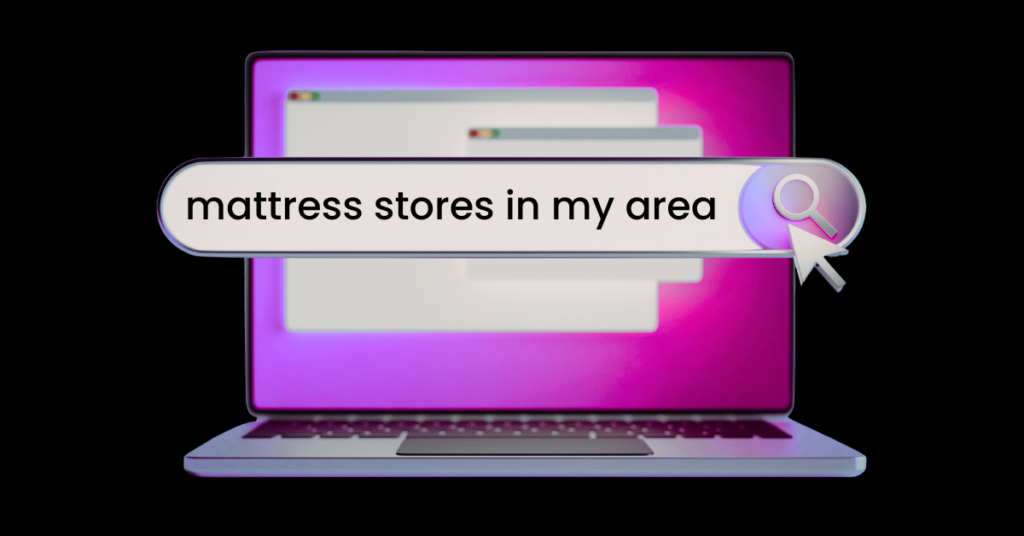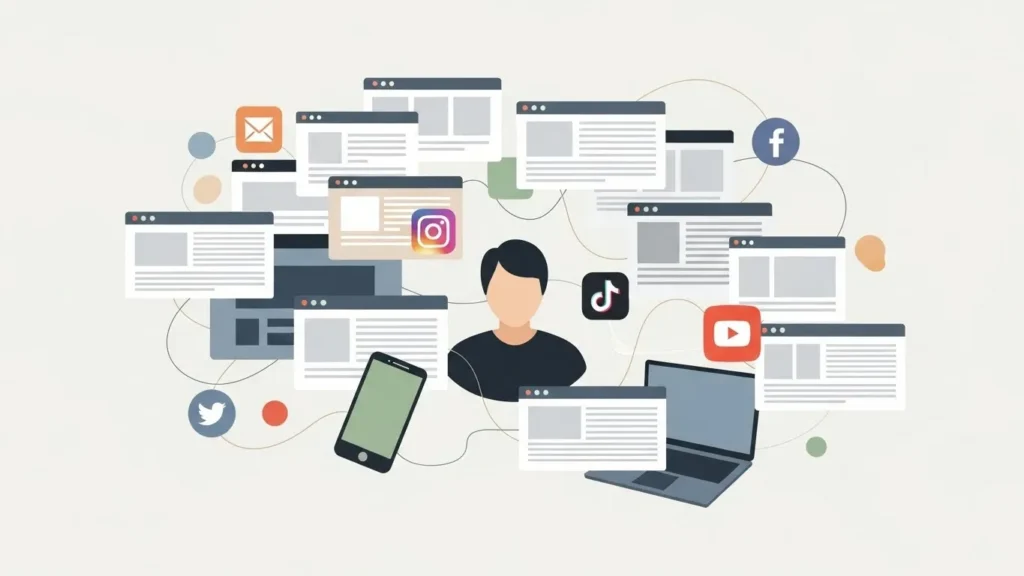
Someone might first hear about your product from a podcast, see a customer’s review on Google a week later, forget about you, get retargeted with a social ad, and only make a purchase after their coworker casually mentions your brand. The timeline isn’t linear—and the brand doesn’t always control it.
Still, the journey isn’t chaos. It’s layered. It’s self-guided. And when mapped properly, it offers powerful insight into what makes modern buyers tick.
The Funnel Still Works—Just Not the Way It Used To
The classic funnel—awareness at the top, purchase at the bottom—was never about control. It was a model of progression. But that model assumed marketers owned the path.
Today, buyers are in charge. They have unlimited access to reviews, comparisons, forums, and peers. They’re not waiting for you to guide them. They’re doing their homework long before you show up in the inbox or on their feed.
That doesn’t mean the funnel is useless. It means it has to be flexible. Instead of “push them down,” the approach becomes “walk alongside them.”
Three Stages, Still Useful—But Now More Dynamic
Let’s ground this in what still holds true: the journey breaks into three mental shifts. But instead of stages you force people through, think of these as modes of thinking buyers move between.
1. Awareness: “I think something’s off.”
At this stage, people are living with a problem they haven’t fully named. They’re not searching for your brand—they’re asking general questions or noticing pain points.
What works:
- Content that names the problem before the product (e.g. “Why Does Your Neck Hurt After Sleeping?”)
- Stories or visuals that validate what they’re feeling
- Channels where discovery feels natural—social scrolls, short videos, blog posts

This is where trust is earned early by being helpful, not pushy.
2. Consideration: “What are my options?”
Now the buyer knows what they need: a tool, a fix, a solution. But they’re not sure which type, which brand, or what features matter.
What helps here:
- Honest comparisons (brand vs. brand or product vs. product)
- Case studies that align with their industry, pain, or size
- Supportive content that frames your offer without pressure
Buyers want to feel informed—like they made the decision, not like it was made for them.
3. Decision: “Can I trust this—and is it the right time?”
They’ve narrowed the list. You’re on it. But so are others. The key here is reducing doubt and increasing clarity.
You’ll want:
- Clear pricing, guarantees, and calls to action
- Responsive support (even if it’s automated)
- Signals of trust: reviews, ratings, customer logos

What doesn’t work? Surprise fees, hidden terms, or vague answers. They’re ready to move—unless you make it harder than it needs to be.
The Old vs. New Funnel, Side by Side
Let’s quickly compare how funnel marketing tactics have shifted in response to modern buyer behavior:
| Funnel Stage | Then | Now |
|---|---|---|
| Awareness | Display ads, awareness emails | Search-optimized content, short-form video, problem-first messaging |
| Consideration | Product brochures, feature lists | Transparent comparisons, community-driven content, use-case narratives |
| Decision | Discount-based CTAs, sales calls | Social proof, low-friction checkout, self-serve tools |
Notice how the change isn’t about different content types—it’s about relevance and timing. The message hasn’t shifted as much as the mindset behind it.
What Buyers Expect (Even If They Don’t Say It)
People don’t just want options. They want context. They want to feel seen.
Today’s buyer expects:
- To research privately before ever engaging.
- To control the pace and path of their journey.
- To receive relevant, helpful content—without being bombarded.
According to a McKinsey study, 76% of consumers are frustrated when a brand’s messaging feels impersonal or irrelevant. That’s not just a stat—it’s a clue. Marketing isn’t about moving people forward. It’s about making sure your message matches where they are.
So, What Does This Mean for Funnel Marketing?
The funnel isn’t dead. But it isn’t a conveyor belt either. It’s more like a smart grid: responsive, always on, and connected across platforms and channels.
What this demands:
- A clear understanding of what your buyers are trying to figure out—not just what you want them to do.
- Content and offers that reflect each mode of thinking.
- Systems that are flexible enough to let buyers jump in wherever they are, not where your funnel starts.
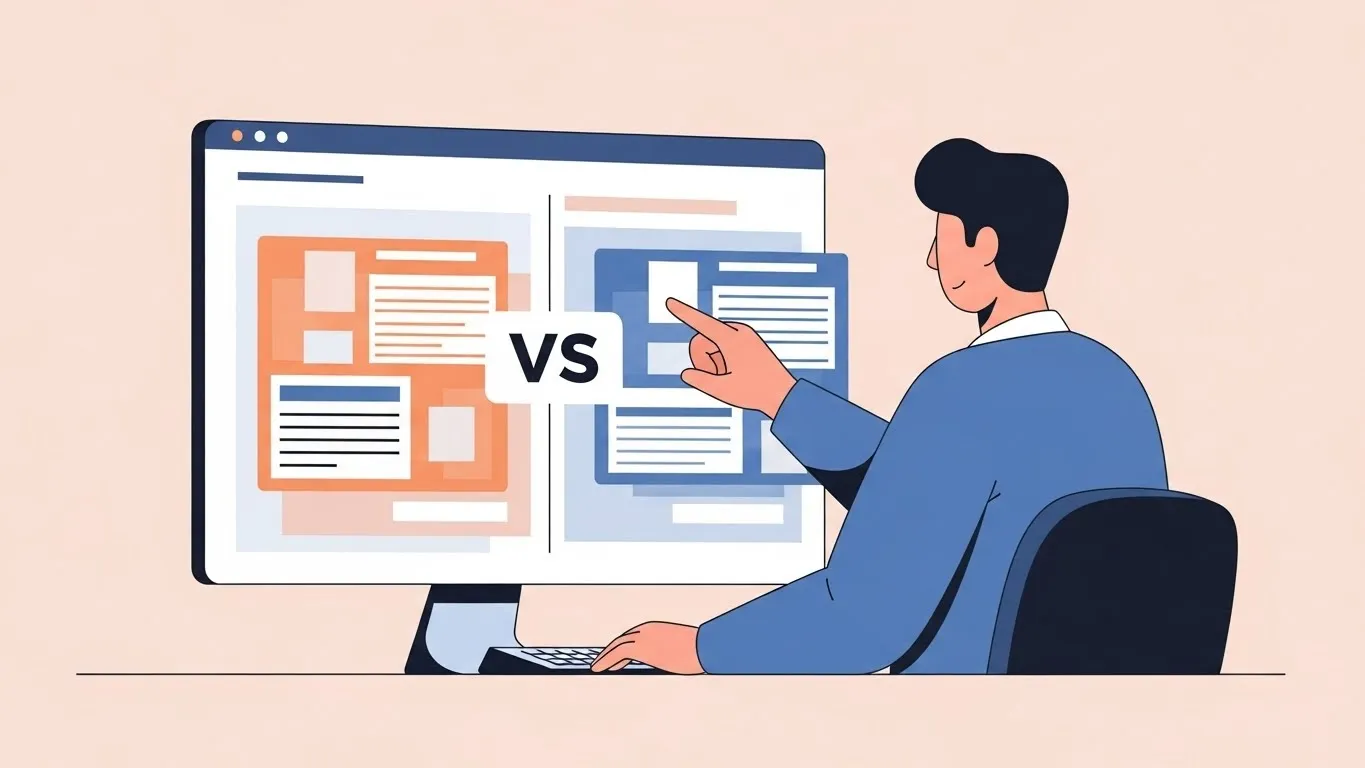
The Case for Behavior Over Demographics
Traditional marketing relies heavily on buyer personas. “Jessica is a 38-year-old operations manager who values efficiency.” That may still be directionally useful. But behavior is more revealing than biography.
A buyer who’s visited your comparison page twice in three days is far more important than one who matches your ideal demographic but hasn’t interacted in weeks. Their actions show momentum—and intent. And intent is what gives funnel marketing its relevance.
Mapping the journey starts when you stop treating all website visitors or email subscribers the same. Watch what they engage with, not just who they are.
Each Stage in the Funnel Tells You What the Buyer Needs
Buyers move between three mental zones: awareness, consideration, and decision. These stages still matter—but only if you let the customer define where they are, not your calendar or campaign plan.
In the awareness stage, buyers are trying to define their problem. They don’t want a sales pitch—they want clarity. Someone waking up with neck pain isn’t ready for “10% off pillows.” They’re searching for causes, symptoms, and maybe even home remedies. The right response here is helpful, exploratory content that names the problem and gives it shape. Blog articles, organic videos, and social content all work—if they sound like a helpful friend, not a hungry brand.
As the buyer moves into consideration, they’ve already named the problem and now want to solve it. They’re not ready to commit, but they’re doing research. This is where they’re asking things like “What’s the difference between memory foam and latex?” or “Which platform is best for my small business?” They’re comparing. The right content now shows up as fair, useful, and clearly organized. You don’t need to be the only option—they just need to see that you understand how to help.
By the time they’re in the decision zone, they’ve narrowed the list. They’re close. But they’re still uncertain. Pricing, trust, timing—all of these can slow them down or stop the sale altogether. Your marketing at this point isn’t about convincing anymore. It’s about removing friction. Fast answers. Trust signals. Clear value.
Real-World Behaviors That Map to Stages
You don’t need to guess where people are in the journey. Their actions give it away.
If someone is reading your “What causes…” article or watching an explainer video, they’re likely in the awareness stage. If they visit your comparison guide or browse reviews, they’re in consideration. And if they return to your pricing page, request a quote, or abandon a cart, they’re sitting right at the edge of a decision.
Those behaviors aren’t just signals—they’re invitations. And your funnel should respond accordingly.
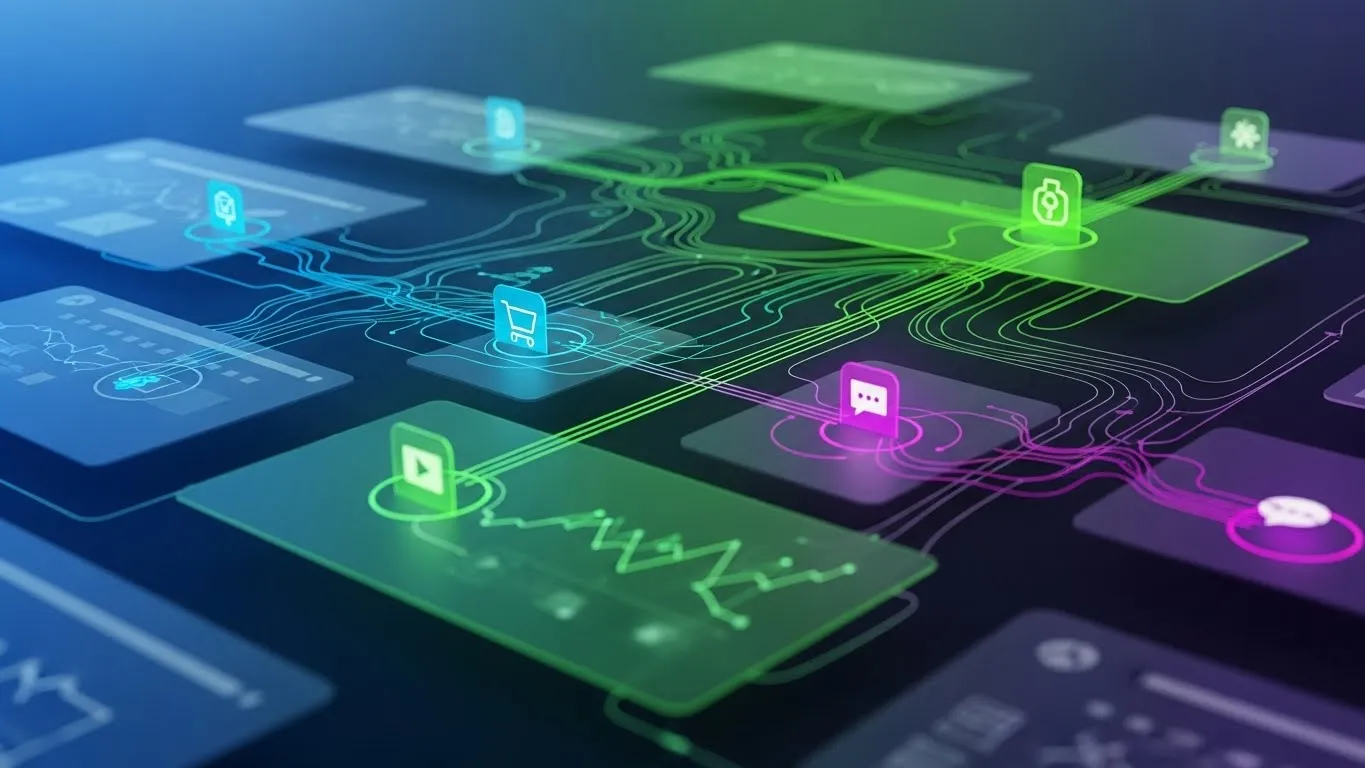
What Good Funnel Marketing Actually Looks Like
This is where marketers often overcomplicate things. They build long nurture sequences or overload every stage with content, hoping to catch everyone.
A better approach? Use your customer journey map to simplify. One message per moment. One clear job for each piece of content.
Think of it like this:
- Awareness content opens their eyes.
- Consideration content frames their choices.
- Decision content clears the runway.
That doesn’t mean each stage gets one type of content. A video might work for both awareness and decision. A blog post could address both confusion and objections. It’s not about format—it’s about focus.
You’re not trying to “move” people through the funnel. You’re building a system that meets them wherever they happen to enter—and helps them feel confident taking the next step.
Avoid the Biggest Mistake: Forcing the Funnel
One of the most common missteps in funnel marketing is assuming that everyone starts at the top. In reality, some people drop right into the middle. Others come back after six months and go straight to checkout.
If your strategy assumes a set sequence, it will feel robotic—and often irrelevant.
That’s why behavior-based marketing is so powerful. Instead of relying on when someone signed up for an email list or what ad they clicked first, it pays attention to what they’ve done most recently. Visited the FAQ page three times in two days? That’s a decision-stage signal. Engaged with three educational blog posts over a week? Probably still in consideration.
The more responsive your system, the more useful your marketing feels. And useful wins.
How Automation Fits (When Used With Restraint)
Automation is only valuable if it adapts to the buyer, not the other way around. A rigid email drip doesn’t reflect real buying behavior. A smart sequence does.
Set up systems that listen first. Instead of sending five emails on a fixed schedule, try sending the next message based on what they viewed, clicked, or ignored. If someone reads a guide on “how to choose,” follow up with a customer story. If they visit your return policy twice, maybe it’s time to highlight your guarantee.
The goal isn’t just personalization. It’s timing. The right content, when they’re thinking about it—not three days later just because that’s what the flow says.
Look for Friction, Not Just Drop-Offs
Funnels fail when people get confused, overwhelmed, or lose trust. That’s why mapping the journey isn’t just about what to add—it’s about what to fix.
Maybe your consideration-stage content is too dense. Maybe your pricing page buries the value. Maybe your checkout asks for too much. Look at where people hesitate, bounce, or stall. That’s where the journey is broken.
Fixing one of those moments often leads to bigger gains than launching an entirely new campaign.
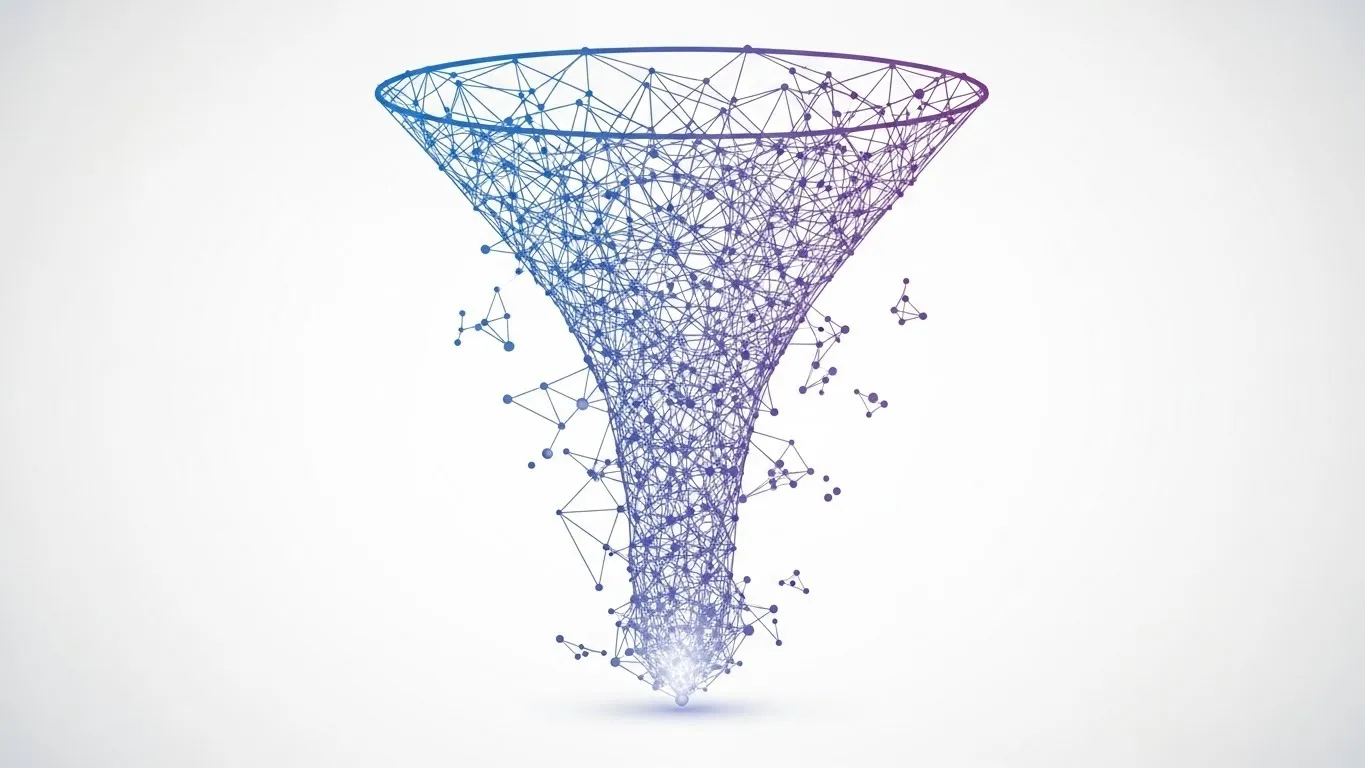
By this point, you’re already thinking about your funnel differently. Not as a set of pre-written email steps, but as a responsive system that aligns with how people actually buy. The final piece is turning that awareness into action—without overhauling everything at once.
Before we get into next steps, let’s revisit what matters most.
Recap: What You Actually Need to Remember
This journey started with a simple truth: buyers don’t move in order anymore. They loop, skip, pause, and re-enter on their own terms. And if your funnel doesn’t account for that, it won’t feel useful to them.
Still, the three core stages—awareness, consideration, decision—remain powerful tools when treated as mindsets, not milestones.
Here’s what we’ve covered so far:
- In Part 1, we reframed the funnel. It’s no longer a rigid pipeline but a flexible path. Buyers move at their own speed and often don’t follow your playbook.
- In Part 2, we mapped behaviors to stages. Awareness isn’t just a vague concept—it’s someone googling “why does this hurt?” Consideration isn’t just a middle step—it’s the buyer evaluating options and looking for clarity. And decision isn’t about closing—it’s about removing uncertainty.
What ties it all together is intent. Funnel marketing today isn’t about dragging people forward. It’s about making sure what you say and when you say it matches where they are, not where you want them to be.
The Modern Funnel at a Glance
Let’s bring all three stages together in a simplified reference—something you can actually use when evaluating your content or campaign plans.
| Stage | What They’re Thinking | What They Need from You |
|---|---|---|
| Awareness | “What’s going on here?” | Validation, education, no pressure |
| Consideration | “What’s the best way to fix this?” | Clear comparisons, relevant examples |
| Decision | “Can I trust this and act now?” | Reassurance, fast answers, simplicity |
You can keep this framework simple. For every message you send or page you design, just ask: What question is this answering? Is it tuned to the right state of mind?
Building a Smarter System Without Starting Over
This isn’t about scrapping your funnel—it’s about making it responsive. Small changes often make the biggest difference. Here’s a step-by-step way to begin.
Step 1: Identify your signals. Start by looking at behavior. Which pages tend to signal awareness? What activity suggests someone is weighing options? Where do people get close to purchase and fall off?
Step 2: Match content to intent. Take inventory of your existing assets. Label each by the question it answers, not just the format. You may already have great awareness content buried on your blog, or decision-stage content hidden behind a form.
Step 3: Fix friction. Look at your metrics: high bounce rates on helpful pages, abandoned carts with no follow-up, low engagement on emails sent too early or too late. Wherever buyers are stalling, dig in.
Step 4: Automate with empathy. If you’re using marketing automation, make sure it responds to behavior. One-size-fits-all drip campaigns often miss the mark. Instead, set up conditional logic that adapts based on real-world actions.
Step 5: Review monthly. The best journey maps aren’t static. Set a regular rhythm to check what’s working and where people are dropping out. Don’t wait for a dramatic drop to make improvements.
One Final Thought
People don’t want to be “moved through a funnel.” They want to be understood. When your marketing feels like it’s keeping pace with their thinking—anticipating questions, addressing doubts, helping them decide—you’re not just selling. You’re building trust.
The customer journey hasn’t become impossible to track. It’s become richer. More nuanced. And ultimately, more rewarding for businesses that take the time to tune in.
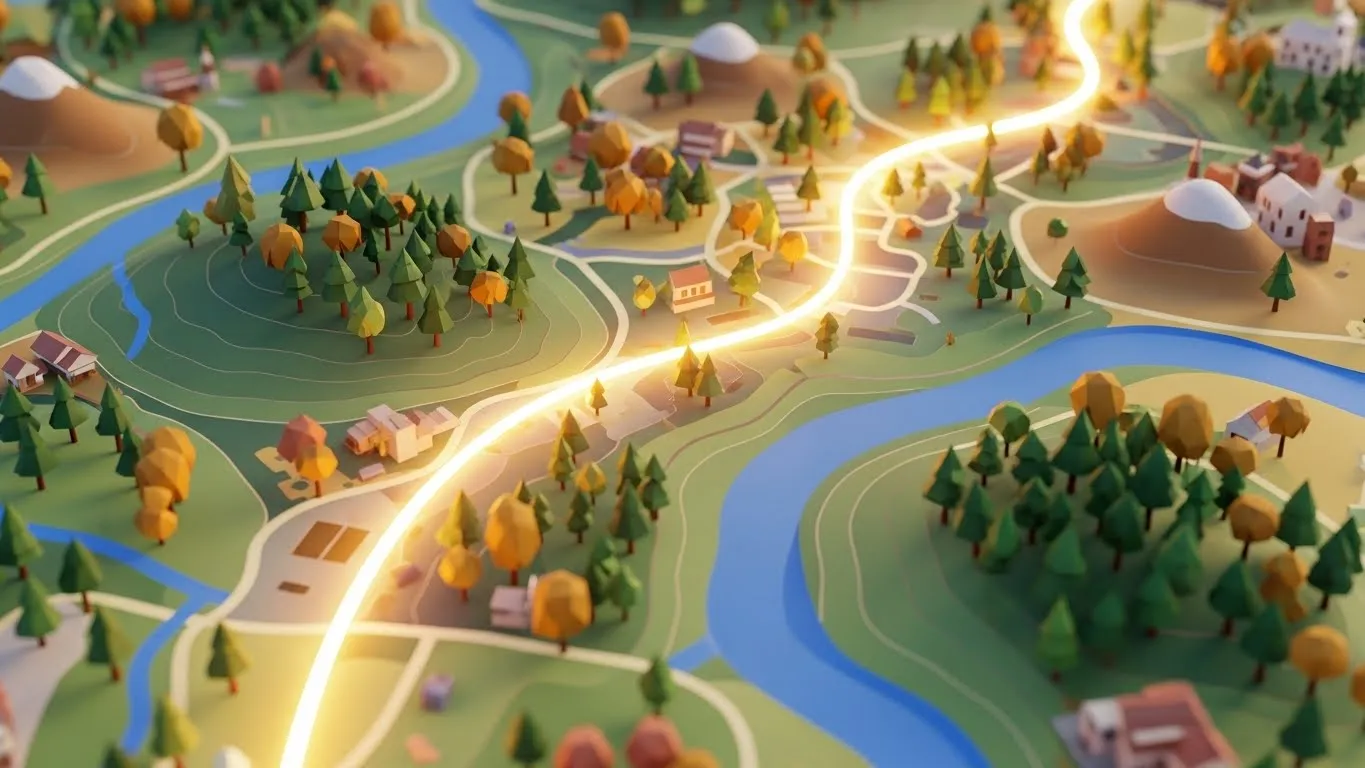
If you treat your funnel less like a megaphone and more like a map, you won’t just get more buyers—you’ll get better ones.